Transform Your Vehicle: The Complete Guide to Car Wrapping Services
Car wrapping has become a popular method for vehicle transformation. This innovative process allows for personalization while delivering safeguarding for the original paint. With many options at hand, individuals can obtain unique aesthetics without the lasting impact of conventional painting. However, grasping the intricacies of car wrapping, including installation and maintenance, is essential. What makes this solution attractive, and how can one ensure a successful wrap? The answers lie in examining the details further.
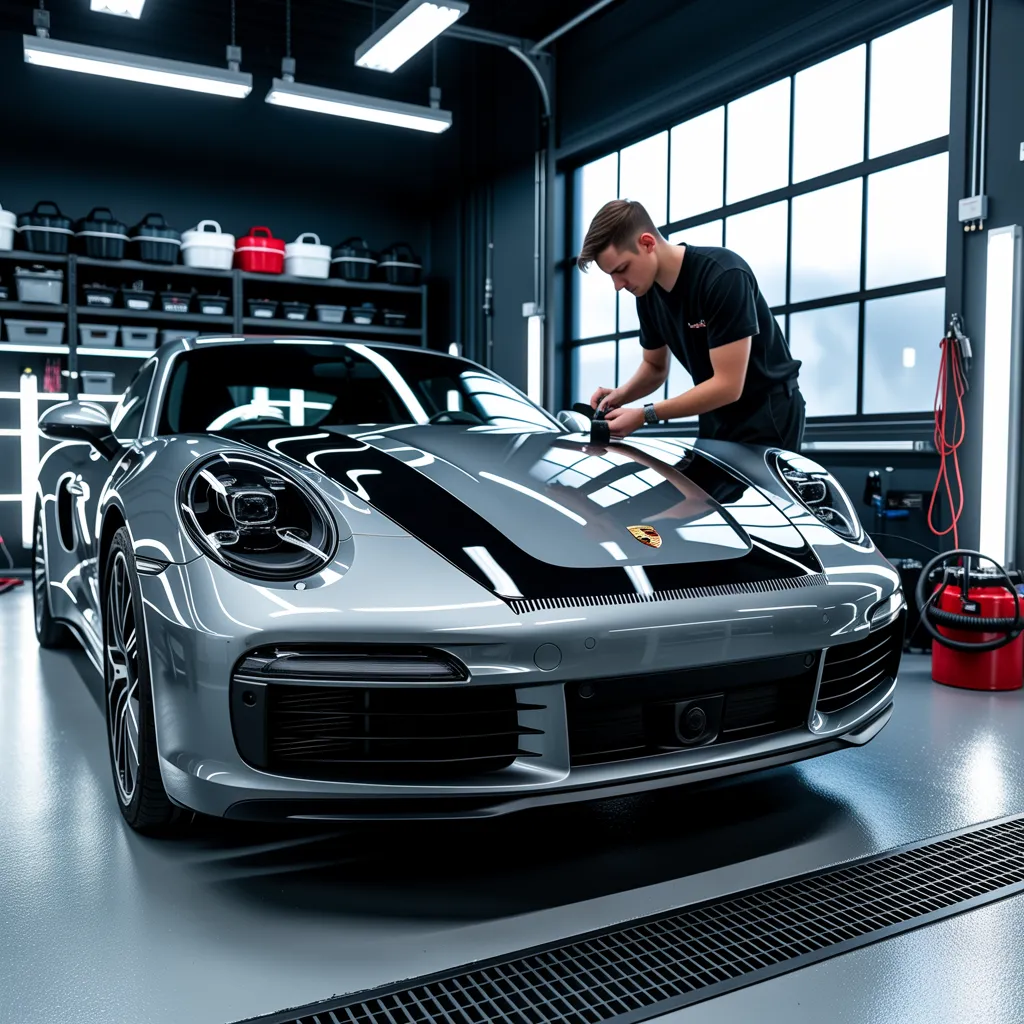
Understanding Car Wrapping and How It Functions?
Car wrapping represents a transformative procedure involving the application of a durable vinyl film on a vehicle’s original paint. This process enables a vast range of colors, textures, and finishes, permitting owners to personalize their vehicles without the durability of traditional paint. First, a comprehensive cleaning of the vehicle’s surface is performed to ensure proper adhesion. Following that, the vinyl film is precisely measured and cut to fit every part of the car. Professional technicians subsequently apply the film, using specialized tools to remove any air bubbles and guarantee a perfect finish. The film material is flexible by design, allowing it to conform to the vehicle’s shapes and curves. When applied correctly, the film lasts for several years, acting as a protective layer that guards against scratches and UV exposure. In summary, car wrapping acts as an innovative option for enhancing aesthetics and protecting vehicles.
Benefits of Car Wrapping Versus Traditional Painting
Selecting car wrapping instead of conventional paint jobs offers many advantages that attract vehicle owners. One major benefit is the flexibility of design; wraps can easily be customized with colors, patterns, and textures, allowing for unique personalization. Additionally, car wraps can be applied in a portion of the time it takes to paint a vehicle, reducing downtime for owners.
Durability is an additional benefit; premium wraps are resistant to UV rays, scratches, and environmental elements, often lasting several years with proper care. In contrast, traditional paint can chip and fade more easily.
Also, car wrapping is reversible, enabling owners to transform their vehicle's exterior without permanently altering the original paint, which can help copyright resale value. Finally, wraps are often more cost-effective than a full paint job, making them an attractive important guide option for those seeking to improve their vehicle's visual appeal without breaking the bank.
Types of Car Wraps Offered for Your Vehicle
When evaluating car wraps, multiple options are offered to accommodate individual preferences. Vinyl wraps provide a range of colors and textures, while specialty wraps provide distinctive designs for a standout look. Additionally, the choice between flat and gloss finishes can markedly influence the overall appearance of the vehicle.
Vinyl Wrap Choices
There is a diverse range of vinyl wrap choices for vehicle customization, each tailored at different visual preferences and practical uses. Standard wraps commonly offer a shiny or matte finish, providing a refined look. Satin wraps blend the two finishes, providing a soft sheen that highlights the vehicle's shape. For those wanting a distinct appearance, textured wraps like carbon fiber or brushed metal mimic luxury materials, introducing depth and sophistication. Color-changing wraps provide flexibility, enabling vehicles to shift colors depending on the light angle. Additionally, solid color wraps provide a bold appearance, while digital prints enable detailed designs and graphics. Each choice boosts not only the vehicle’s look but also protects the original paint.
Specialty Wrap Varieties
Beyond standard vinyl options, specialty wraps provide unique choices for vehicle customization that cater to personal preferences and specific purposes. These wraps include chrome coatings, which deliver a reflective, glossy appearance, ideal for those seeking a striking look. Carbon fiber wraps replicate the appearance of real carbon fiber, adding a athletic aesthetic while remaining light and long-lasting. Additionally, textured wraps, such as brushed metallic or leather surfaces, enable for a tactile experience that distinguishes a vehicle from others. For marketing purposes, custom graphic wraps enable companies to display their branding effectively. Each specialty wrap not only enhances the car's appearance but also safeguards its factory finish, making them a practical choice for numerous automotive fans.
Matte vs. Gloss Finish
How are matte or gloss coatings distinct in car wrapping? Matte surfaces give a non-reflective, muted presentation, captivating those wanting a upscale, contemporary look. This texture can hide irregularities and is resistant to showing dust marks, making it appreciated among motor lovers. Although, matte wraps call for particular upkeep to maintain their appearance and can be more susceptible to scuff marks.
In comparison, shiny coatings offer a shiny, vibrant look, boosting colors and providing vehicles a polished, eye-catching effect. This finish reflects light, making it ideal for showcasing complex patterns or emblems. While glossy coverings are simpler to keep clean, they may reveal imperfections more readily. In the end, the choice between matte and shiny finishes depends on personal preferences and desired aesthetics.
Car Wrapping Installation Guide: What to Expect
Vehicle wrap installation changes a car's look with attention to detail and accuracy. Initially, the vehicle is thoroughly cleaned to remove any dust, oils, or particles that could affect bonding. Technicians then examine the surface for imperfections, verifying a flawless finish.
Once completed, the chosen vinyl wrap is meticulously measured and cut to fit the vehicle's contours. During installation, the wrap is placed using professional equipment to prevent air bubbles and wrinkles. This process requires careful precision, as each section must align perfectly with adjacent parts to achieve a seamless finish.
After the wrap is applied, excess material is trimmed, and the edges are securely tucked in or sealed. A final inspection is conducted to confirm that all areas meet quality standards. This meticulous approach guarantees a stunning transformation that enhances the vehicle's aesthetic while delivering a shielding barrier.
Maintenance Tips for Keeping Your Car Wrap Looking Fresh
Caring for a vehicle wrap demands consistent attention to ensure it remains vibrant and like new. Scheduled washing is essential; hand washing with mild soap and a soft sponge prevents scrapes that could harm the vinyl. It is best to avoid automatic car washes that use brushes, because they can produce rubbing and cause peeling.
Additionally, deploying a UV protectant can protect the wrap from sun damage, maintaining its hues intact. Parking in shaded areas or putting on car covers can additionally lower exposure to harmful UV rays. When dealing with stubborn stains, a gentle solvent purpose-built for vinyl wrap cleaning may be used, but test it on a small area first is recommended.
Regular inspections for any signs of wear, such as peeling edges or bubbles, permit prompt repairs, ensuring the wrap remains intact. Following these maintenance tips will substantially increase the longevity and visual appeal of a car wrap, keeping it looking as good as new.
Where Can You Locate Trusted Car Wrap Providers in Your Area?
Pinpointing trusted car wrapping services can significantly boost the endurance of a car's wrap. To locate reputable providers, people should start with consulting online reviews and ratings on networks like Google, Yelp, or social media. These networks often feature user reviews that highlight service quality, professionalism, and craftsmanship.
In addition, asking for recommendations from friends or family who have previously worked with car wrapping services can impart useful knowledge. It is also wise to visit local car showcases or enthusiast groups, where accomplished professionals often feature their work.
After a shortlist is created, would-be customers should request rates and portfolios to assess the quality of prior engagements. Engaging in direct conversations with experts allows for discussions about their experience, technical specifications, and terms of coverage. In conclusion, extensive due diligence and community recommendations are vital for finding credible car wrapping businesses that meet distinct requirements.
Grasping Expense Determinants for Car Wraps
Comprehending the expense elements for car wrapping necessitates several key elements. Quality of materials affects the total cost significantly, while the design intricacy can add to the expense. Additionally, labor expenses must be accounted for, as they vary based on the intricacies of the wrap process.
The Significance of Material Quality
Material quality plays an essential role in determining the overall price of vehicle wrap services. Premium vinyl sheets typically include advanced features such as improved longevity, UV resistance, and simple installation. These materials not only improve the aesthetic quality but also prolong the life of the wrap, reducing the need for frequent replacements. Conversely, budget alternatives may reduce upfront expenses but often lead to quicker wear and fading, creating supplementary costs through time. Furthermore, premium materials require expert application methods, affecting labor costs as well. Therefore, material selection significantly impacts both initial expenditure and future worth, rendering it essential for vehicle owners contemplating a wrap.
Design Complexity Factors
How does the complexity of design affect the total price of car wrapping services? The intricacy of a vehicle's design significantly impacts pricing. Basic styles, with solid colors or simple visuals, typically incur lower costs due to less material waste and easier application. In contrast, complex designs with detailed motifs, gradients, or multiple colors require additional time and skilled labor, thereby increasing expenses. Additionally, the need for precise alignment and cutting can further elevate costs. Clients should also keep in mind the potential for extra design changes, as complicated images may require multiple drafts. Ultimately, understanding the connection between design complexity and cost is essential for clients seeking to attain their desired aesthetic while managing their budget effectively.
Implementation Labor Costs
The work costs in installation constitute a major part of the overall expenses connected to car wrapping services. The costs differ greatly depending on multiple factors, including how complex the design is, vehicle size, and the installers’ proficiency. For example, detailed patterns or wraps that need extra trimming and modifications demand additional time and skill, leading to increased labor fees. Moreover, larger vehicles typically incur greater labor costs due to the increased surface area and the corresponding installation time required. Clients need to acquire comprehensive quotes that detail labor costs and take them into account while budgeting for their car wrapping jobs. Being aware of these elements ensures informed choices.
Common Queries That Are Asked
What is the Average Duration of a Car Wrap?
A car wrap normally lasts between five to seven years, dependent upon factors such as environmental conditions, maintenance, and application quality. Proper care can extend its lifespan, maintaining appearance and effectiveness over time.
Can I Peel off a Car Wrap By myself?
Yes, a car wrap is able to be removed by an individual, although it requires careful technique to circumvent damage to the vehicle's paint. Heat guns or adhesive solvents may assist in the process for easier removal.
Will a Car Wrap harm My Vehicle's Paintwork?
A car wrap generally won't damage the car's paint job if applied and removed appropriately. However, bad installation or extended duration can bring about adhesive issues, possibly harming the paint layer when removed.
Are coverage options available for vehicle wraps?
Yes, numerous car wrap operators deliver warranty options that routinely shield defects in substrate and installation. Customers are advised to discuss concrete terms, among them period and range, to guarantee adequate protection for their capital.
May I apply a coating on a rented automobile?
Yes, a rented car can be covered, but it's crucial to check the rental contract for any limitations. Proper removal is vital to avoid damage and ensure adherence with restitution requirements set by the leasing company.